
CAF’s Disciplinary Decisions: A Crisis of Credibility
The recent disciplinary rulings by the Confederation of African Football (CAF) have sparked widespread debate and criticism, raising serious questions about the consistency, fairness, and credibility of the organization’s regulatory framework. At the heart of the controversy lies the failure to apply CAF’s own regulations, the disproportionate nature of sanctions imposed, and the absurd targeting of ball boys—issues that collectively undermine the integrity of African football governance.
Failure to Apply CAF’s Own Regulations
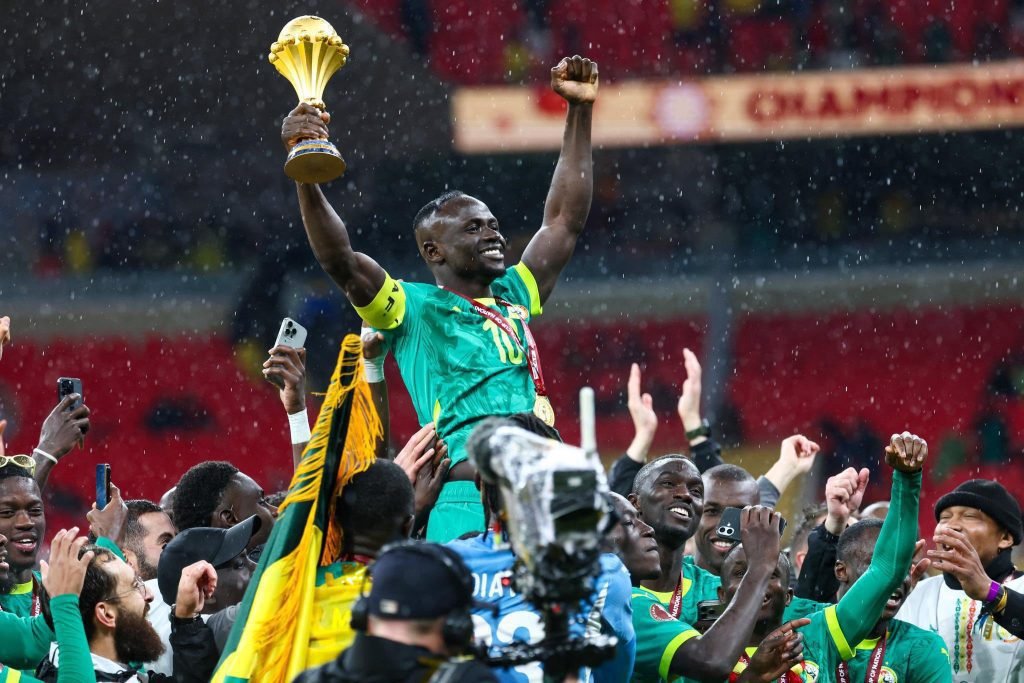
CAF’s disciplinary regulations are designed to ensure fairness, equality, and accountability across all competitions. Yet, in this case, the organization failed to uphold its own standards. Reports from both the match commissioner and referee clearly stated that the Senegal team left the pitch during a crucial encounter. According to Articles 82 and 84 of CAF’s disciplinary code, such an act warrants strict and automatic sanctions. However, these provisions were inexplicably ignored. This omission represents not only a breach of procedure but also a violation of the principle of equality before the regulations, setting a dangerous precedent for future competitions.
Breach of Equality Before the Law
The cornerstone of any disciplinary system is the equal application of rules to all parties involved. By failing to sanction Senegal according to Articles 82 and 84, CAF has effectively created a double standard. Teams and individuals are now left questioning whether regulations are applied selectively, depending on the stature of the team or the political weight behind them. Such inconsistency erodes trust in CAF’s governance and risks alienating stakeholders who expect impartiality and justice.
Obvious Disproportion of Sanctions
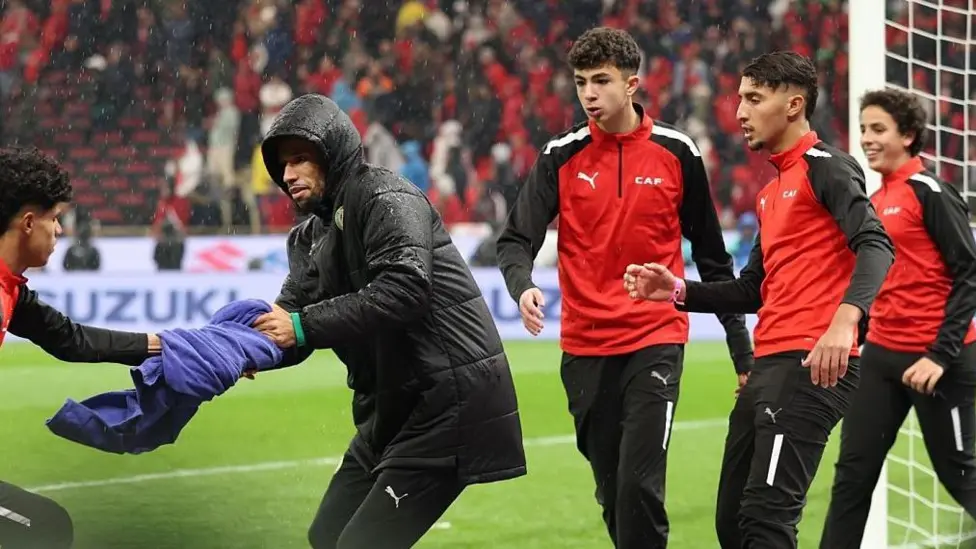
Equally troubling is the incoherent hierarchy of sanctions imposed in recent cases. For example, Saibari received a three-match suspension for something as trivial as moving a towel. Samuel Eto’o, a legendary figure in African football, was handed a four-match ban for losing his temper in the stands. Yet, a coach who deliberately sabotaged a continental final by leading his team off the pitch received only a five-match suspension. This disparity is not only disproportionate but also incomprehensible, suggesting that CAF’s disciplinary decisions lack any logical or ethical foundation.
Undermining Sporting Logic
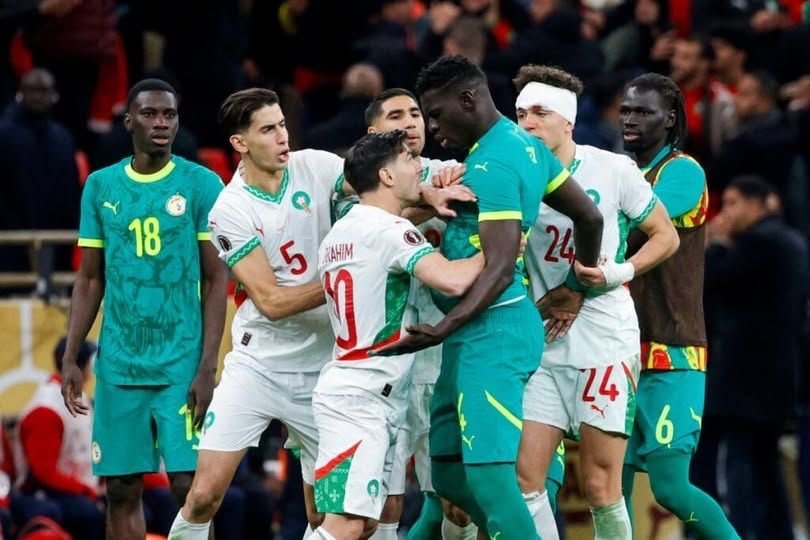
Sporting justice requires that the severity of sanctions correspond to the gravity of the offense. Walking off the pitch during a continental final is arguably one of the most serious breaches of sporting conduct, as it undermines the integrity of the competition itself. To treat this offense as only marginally more serious than minor infractions such as moving a towel or losing composure in the stands is to trivialize the sanctity of the game. CAF’s failure to establish a coherent disciplinary hierarchy undermines the very logic upon which sporting justice is built.
Sanctions Against Ball Boys: Absurd and Legally Unfounded
Perhaps the most baffling aspect of CAF’s recent rulings is the decision to sanction ball boys. Ball boys are not under the authority of national federations such as the FRMF (Royal Moroccan Football Federation); they are directly managed by CAF, which organizes the competition. Holding Morocco responsible for the actions of personnel who fall under CAF’s own organizational authority is legally incoherent and absurd. This decision raises fundamental questions about accountability: if a ball boy were to cause an incident during a Nigeria–Senegal match, would either team be sanctioned? Clearly not. So why should Morocco be penalized in this case?
A Dangerous Precedent
By targeting ball boys, CAF risks creating a precedent that could destabilize future competitions. Teams may now fear being held accountable for individuals outside their control, leading to unnecessary disputes and appeals. This approach not only lacks legal foundation but also undermines the credibility of CAF’s disciplinary system. It suggests that sanctions are being imposed arbitrarily rather than based on clear rules and responsibilities.
The Broader Implications for African Football
The cumulative effect of these failures—ignoring regulations, imposing disproportionate sanctions, and targeting ball boys—casts a shadow over CAF’s credibility. African football is striving for global recognition and respect, yet such inconsistencies in governance risk tarnishing its reputation. Players, coaches, and federations must have confidence that disciplinary decisions are fair, consistent, and legally sound. Without this assurance, the legitimacy of CAF competitions is compromised, and the dream of elevating African football to greater heights is jeopardized.
Conclusion: A Call for Reform
CAF’s recent disciplinary decisions highlight the urgent need for reform. The organization must recommit to applying its own regulations consistently, establish a coherent hierarchy of sanctions that reflects the gravity of offenses, and ensure that accountability is correctly assigned. Only by addressing these issues can CAF restore trust, uphold the integrity of African football, and demonstrate that it is capable of governing the sport with fairness and credibility. The time for selective justice and incoherent rulings must end—African football deserves better.
