
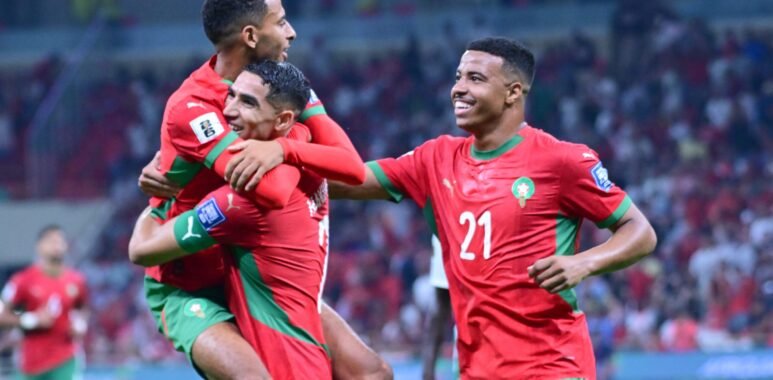
2026 FIFA World Cup: Morocco looking to go a step further this time
Morocco enters the 2026 FIFA World Cup in USA and Mexico with high expectations after their historic semi-final run in Qatar, but the team faces uncertainty due to a coaching change. Walid Regragui, the architect of their 2022 success, has stepped down, with Ouahbi now tasked with guiding the Atlas Lions through the tournament.
Morocco’s Recent Form and Momentum
Morocco arrives at the 2026 World Cup still processing the drama of their Africa Cup of Nations (AFCON) final against Senegal earlier this year. Despite the on going impasse, the Atlas Lions remain one of Africa’s strongest sides, buoyed by their unforgettable 2022 campaign where they became the first African nation to reach a World Cup semi-final. That achievement has raised expectations both at home and abroad, with fans hoping the team can replicate or even surpass that success.
The Coaching Situation
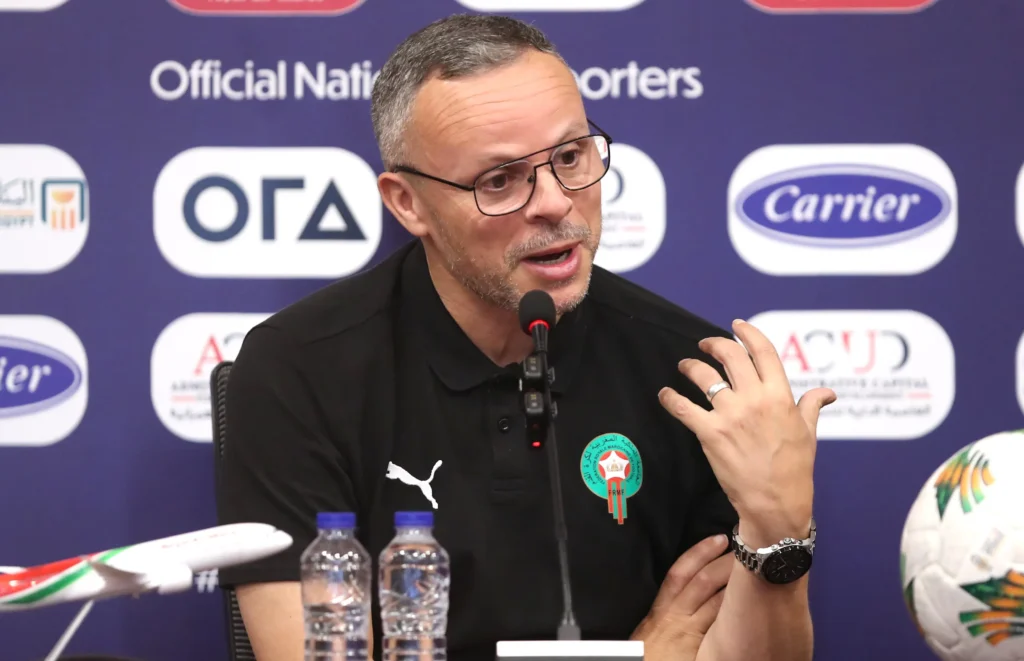
Walid Regragui, who took charge in 2022 and masterminded Morocco’s run in Qatar, stepped down after AFCON 2026. His departure marks the end of a transformative era, as he instilled tactical discipline and belief in the squad. The Moroccan federation appointed Mohamed Ouahbi as his successor, a coach known for his pragmatic approach with the Morocco u20 and u23 sides and ability to manage young talent. The transition, however, raises questions about continuity and whether the team can maintain the same cohesion under new leadership.
Squad Strengths
Morocco’s squad blends experienced campaigners with emerging stars. Achraf Hakimi remains a cornerstone at right-back, offering both defensive solidity and attacking flair. In midfield, players like Brahim Díaz and Abde Ezzalzouli provide energy and creativity, while Ayoub El Kaabi continues to lead the line with his aerial prowess and finishing ability. The team also boasts depth in defense, with seasoned figures such as Romain Saïss and younger talents like Sofyan Amrabat.
Key Challenges
The biggest challenge for Morocco lies in adapting to Ouahbi’s methods quickly. Regragui’s system was built on compact defending and swift counterattacks, which perfectly suited Morocco’s strengths. Any deviation from that formula could disrupt the balance that made them so effective. Additionally, the psychological burden of living up to their 2022 heroics may weigh heavily on the squad, especially with fans and media expecting another deep run.
Group Stage Outlook
Morocco’s group-stage fixtures will test their resilience. Matches against technically strong European sides and disciplined South American opponents will demand tactical flexibility. Their opener against Haiti, for instance, is seen as a must-win to build momentum, while clashes with higher-ranked teams will determine whether they can progress comfortably to the knockout rounds.
Prospects Ahead
If Ouahbi can stabilize the team and harness the blend of youth and experience, Morocco has the potential to reach the quarter-finals or beyond. Their defensive organization, combined with Hakimi’s dynamism and En-Nesyri’s scoring ability, makes them a dangerous opponent. However, the coaching transition remains the biggest variable—success will depend on how quickly players adapt to new leadership and whether Ouahbi can inspire the same unity that defined Regragui’s tenure.
Morocco’s prospects at the 2026 World Cup are promising but precarious. The Atlas Lions have the talent and pedigree to challenge the world’s best, yet the coaching change introduces uncertainty at a critical moment. Fans will hope that Ouahbi can build on Regragui’s legacy and lead Morocco to another historic campaign, cementing their place among football’s elite.
