
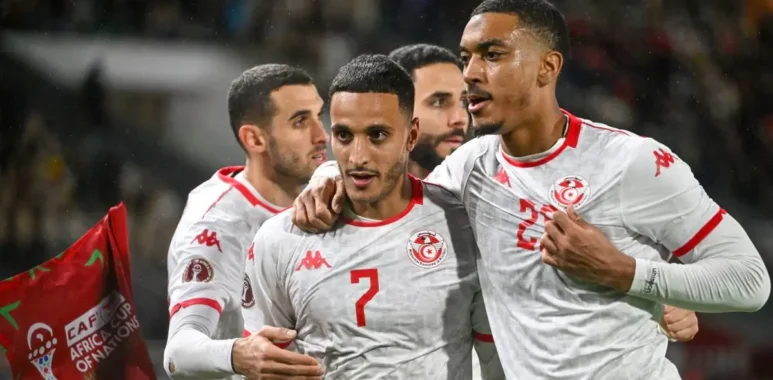
2026 FIFA World Cup: Tunisia Carthage Eagles ready to soar
Tunisia heads into the 2026 FIFA World Cup in USA and Mexico under new leadership, with Sabri Lamouchi appointed as head coach in January following Sami Trabelsi’s departure. The Eagles of Carthage are aiming to break their historical barrier of group-stage exits and reach the knockout rounds for the first time in their history.
Tunisia’s World Cup History
The Eagles of Carthage are making their seventh World Cup appearance and their third consecutive qualification. Historically, Tunisia has struggled to progress beyond the group stage, despite producing competitive performances. Their most recent campaign in Qatar 2022 saw them earn four points, including a memorable win against France, but still fall short of advancing. This consistent qualification record, however, demonstrates steady growth and resilience.
Squad Strengths
Tunisia’s squad is built on a mix of experienced internationals and emerging talents. Players like Ferjani Sassi provide midfield stability, while attackers such as Ismaël Gharbi and Elias Achouri presents a picture of younger generation of players bringing creativity and finishing power to the team. The team’s defensive organization has long been a hallmark, with disciplined structures that frustrate stronger opponents. Their ability to grind out results against favorites, as shown in their 2025 friendly win over Brazil, highlights their potential to cause upsets.
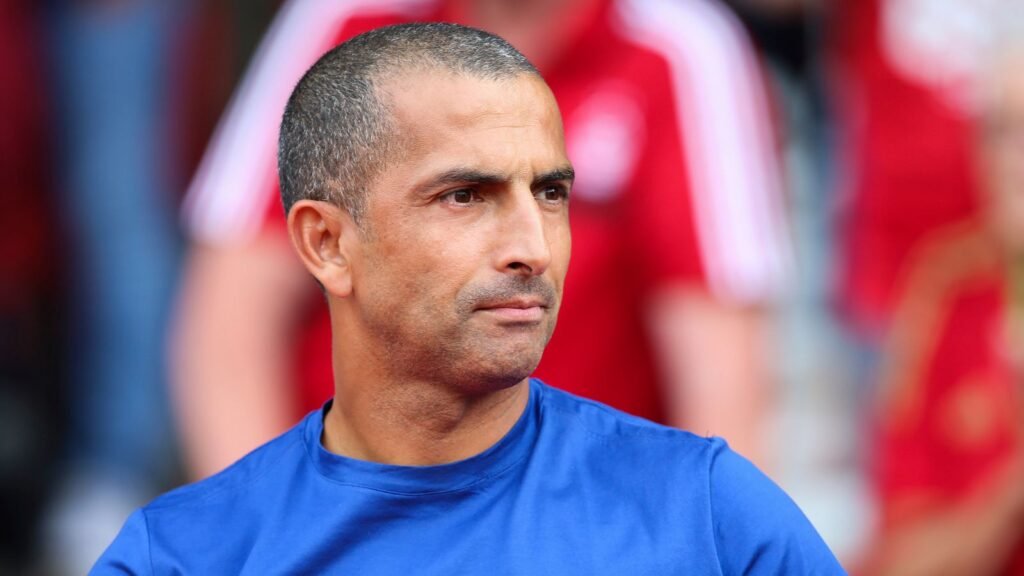
Tunisia’s coaching change is one of the most significant storylines ahead of the tournament. Sabri Lamouchi, a French-Tunisian coach with experience managing Côte d’Ivoire, Rennes, Nottingham Forest, and Cardiff City, signed a two-and-a-half-year contract to lead the team. His appointment came after Tunisia’s round-of-16 elimination at AFCON 2026 by Mali, which prompted Trabelsi’s resignation. Lamouchi’s tactical pragmatism and familiarity with African football could prove vital in stabilizing the squad.
Coaching Situation
Key Challenges
Despite their strengths, Tunisia faces challenges. Their attack has often lacked consistency, with goals hard to come by against elite defenses. Lamouchi must find a way to balance defensive solidity with greater attacking ambition. Another hurdle is psychological—breaking the cycle of group-stage exits requires belief and composure under pressure, especially in matches where a single point can decide qualification.
Group Stage Outlook
Tunisia’s group-stage draw will be critical. Facing technically superior European or South American teams will test their tactical discipline, while matches against fellow mid-tier sides will be must-win opportunities. Their ability to adapt Lamouchi’s strategies quickly could determine whether they finally reach the knockout rounds.
Prospects Ahead
Realistically, Tunisia’s ceiling at the 2026 World Cup is the round of 16, though advancing further would be historic. With Lamouchi’s leadership, disciplined defending, and a squad capable of frustrating stronger opponents, the Eagles of Carthage have a genuine chance to make history. Success will depend on whether they can convert tight matches into victories and overcome their long-standing group-stage barrier.
Tunisia enters the 2026 World Cup with cautious optimism. The appointment of Sabri Lamouchi signals a new chapter, and the team’s blend of experience and resilience makes them dangerous outsiders. If they can overcome their attacking limitations and seize key group-stage opportunities, Tunisia may finally achieve their long-awaited breakthrough into the knockout rounds.
