
The Taifa Stars’ Historic Ascent: National Pride or Political Shield?
by Collins Okinyo
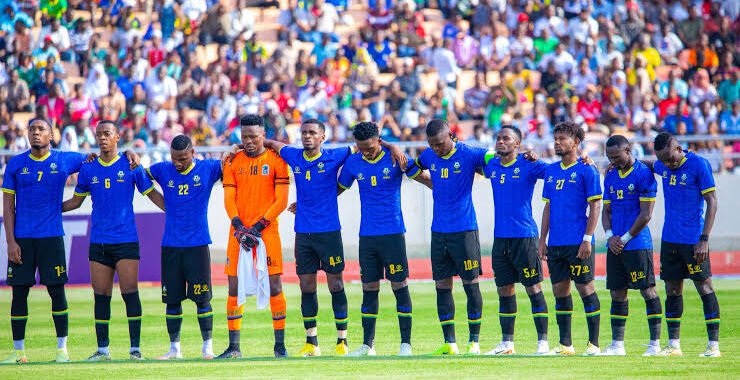
The historic surge of the Taifa Stars into the AFCON 2025 knockout stages ignited a wave of national pride that is increasingly colliding with a fierce political debate over the government’s influence off the pitch, even after their 1-0 elimination against hosts Morocco.
Having made it out of the group stage for the first time in the nation’s history, the team achieved a milestone that resonated far beyond the stadium walls.
That breakthrough which occurred across the transition from late 2025 into early 2026, has provided the country with a rare moment of collective euphoria, as the underdog squad proved its mettle against the continent’s footballing giants.
In the wake of this achievement, President Samia Suluhu Hassan moved swiftly to align the state with the team’s glory.
Her public commendations, which emphasized that the players have written great history and brought unparalleled joy to the citizenry, are viewed by supporters as a necessary act of national encouragement. However, this narrative of unity is being met with significant skepticism from political observers and human rights advocates.
Her critics argue that the governmen strategically utilized the feel-good factor of the tournament to distract the public and the international community from a deepening political crisis and persistent concerns regarding civil liberties.
This tension has placed Tanzania at the center of a sportswashing controversy: a phenomenon where the government leverages the emotional power and global prestige of sports to burnish its international reputation and obscure domestic human rights issues.
From this perspective, the grand celebrations and state-sponsored pride act as a convenient smokescreen, drawing focus away from the friction between the administration and its opposition.
The administration’s critics equally suggest that the intense focus on the pitch serves to sanitize the government’s image, projecting an aura of stability and happiness that may not reflect the full reality of the country’s political climate.
The Tanzanian government has remained steadfast in its dismissal of these accusations, labeling any claims of human rights violations as erroneous, misleading, and fundamentally misconstrued.
Officials maintain that the celebration of the Taifa Stars is a genuine reflection of national progress and that the team’s success is a fruit of deliberate investment in the nation’s youth. As the tournament progresses, even without the Taifa stars, their impact in this 35th edition of the AFCON sure struck the ends of the four ends of their country, a nation which has been under turmoil for the past few months.
