
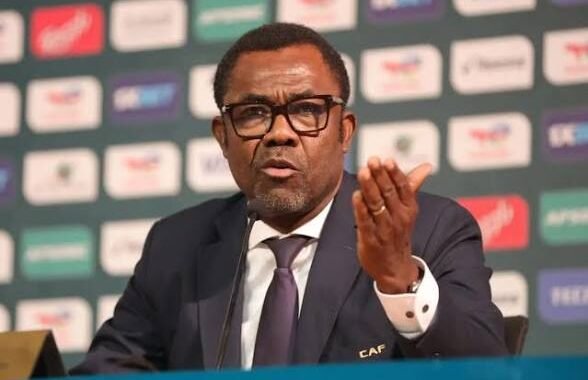
Veron Mosengo-Omba resigns as CAF Secretary General
The Confederation of African Football (CAF) has entered a new chapter following the resignation of its Secretary General, Véron Mosengo‑Omba, on March 29, 2026. His departure marks the end of a career spanning more than three decades in football administration, during which he played a central role in shaping CAF’s operations and strengthening ties with FIFA. Mosengo‑Omba’s exit comes at a sensitive time for African football, with AFCON 2025 controversies still fresh and governance reforms urgently needed.
Mosengo‑Omba’s resignation was officially framed as a personal decision to pursue new projects, but insiders point to mounting pressure within CAF. His extended stay beyond the mandatory retirement age of 63 had already raised questions about compliance with CAF’s statutes. Coupled with criticism over the handling of AFCON 2025 preparations, his leadership became increasingly contested. Social media campaigns and discontent among executive committee members amplified calls for change, ultimately making his position untenable.
“Now that I have been able to dispel the suspicions that some people have gone to great lengths to cast on me, I can retire with peace of mind and without constraint, leaving the CAF more prosperous than ever,” Mosengo-Omba, deputy to Caf president Patrice Motsepe, wrote.
In response to the resignation, CAF swiftly appointed Nigeria’s Samson Adamu as Acting Secretary General. Adamu, who has long served within CAF’s competitions department, is seen as a steady hand to guide the organization through this transitional period. His immediate challenge will be to stabilize operations, restore confidence among member associations, and ensure that upcoming tournaments are delivered without further controversy. The appointment also signals CAF’s intent to maintain continuity while searching for a permanent successor.
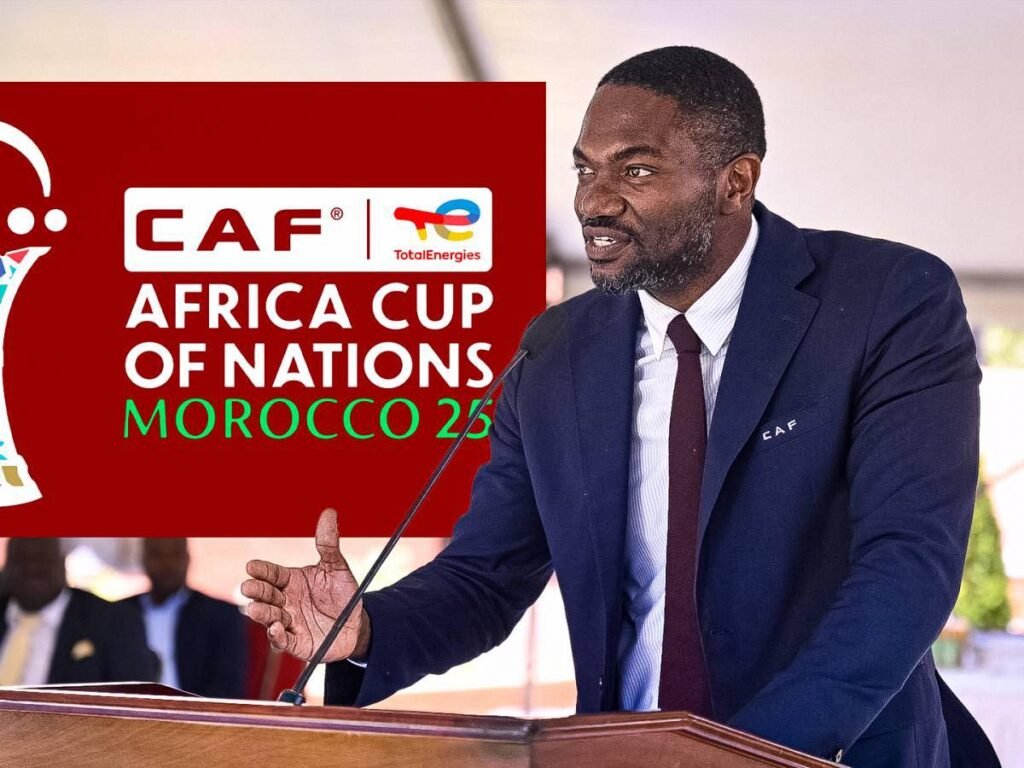
The resignation has broader implications for African football governance. It underscores the need for stricter adherence to compliance frameworks, transparent leadership transitions, and stronger accountability mechanisms. CAF’s credibility has been shaken, and rebuilding trust will require reforms that go beyond personnel changes. Stakeholders across the continent are now calling for a renewed focus on governance, financial transparency, and equitable representation of member associations in decision‑making processes.
Looking ahead, Mosengo‑Omba is expected to contest for the presidency of the DR Congo Football Federation, a move that could reshape regional power dynamics within CAF. His departure from the continental stage may open space for new leadership voices, but it also highlights the enduring influence of political maneuvering in African football. For CAF, the challenge is clear: to turn this moment of upheaval into an opportunity for reform, ensuring that the organization emerges stronger and more credible in the eyes of the global football community.
